





You chose to work from home for flexibility, freedom, and more time with your children. Instead, you may feel trapped in a cycle of constant
interruptions, unfinished tasks, and late-night catch-up sessions.
If your longest uninterrupted work block is 10 to 18 minutes… If you are handing over the iPad just to survive a meeting… If you are working
until 10 or 11 PM to compensate for lost focus during the day…
You are not alone and you are not failing.
The real issue is not discipline, motivation, or willpower. It is habit and overstimulation. Modern screens are designed to hold attention and children who spend a lot of time on them can become highly resistant to switching off. When the screen disappears, their behavior can escalate. The tantrums, negotiations, and emotional outbursts are not simply 'bad behavior.' They are a learned response to losing something that felt rewarding.
This is why traditional strategies alone are rarely enough
Limiting screen time. Using it as a reward. Taking it away completely. None of these approaches address the underlying habit pattern driving the behavior.
The solution is not restriction alone.
It is replacement.
Over 14 days, this practical framework helps you build new daily habits so your child becomes more comfortable playing independently and you can focus on your work.

Gently replace screen stimulation with healthy, self-directed engagement

A simple script designed to help reduce resistance and make transitions easier

Gradually extend independent activity from just a few minutes, building toward longer screen-free periods over time
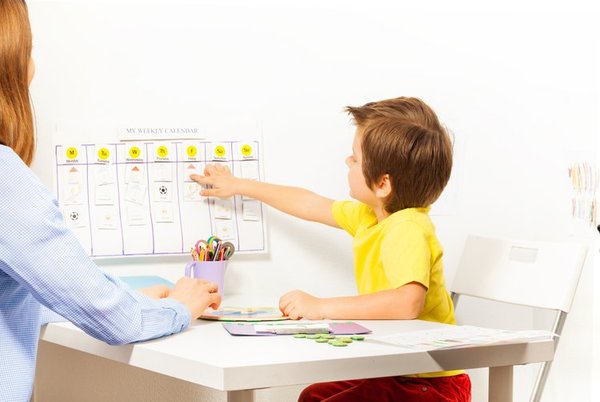
Designed to encourage intrinsic motivation through visible completion, pride, and achievement your child can see and measure.

Modify the system for children who need extra support, have sensory sensitivities, or thrive with higher levels of stimulation

Eliminate guesswork and give yourself the best possible start so Day 1 feels more manageable and less overwhelming
It is about creating an environment that makes it easier for your child to choose an alternative and where you can approach your workday with more calm and less guilt.
By Week 2, some mothers begin noticing longer uninterrupted work sessions and fewer emotional battles though timelines vary for every family.
Week 3 is designed to build toward sustained independent activity, with the goal of gradually longer screen-free periods as your child's skills develop
Week 4 focuses on reinforcing the habits built in previous weeks the goal is a home where screen requests gradually become less frequent over time
More importantly, Many mothers find themselves approaching their days with a renewed sense of confidence as a professional and as a parent
If you are willing to commit to 14 consistent days, this system is designed to help shift how your workdays unfold
This is your first step toward more focus, less chaos, and a calmer daily routine.
The strategies in this guide are inspired by behavioral and child development research and are intended for general educational purposes only. This is not medical or clinical advice. If your child has a diagnosed condition, please consult a qualified healthcare professional.